Key takeaways
- Royal Oak is not one market. North of 13 Mile, south of Catalpa, and the area near the tracks and downtown each price and sell differently.
- Walkability to downtown and condition drive value most. Move-in-ready homes on quiet streets move fastest.
- Homes backing the Canadian National rail line, busy roads, or needing major work tend to sit longer and need sharper pricing.
- In Michigan, a home's taxable value uncaps the year after a sale, so the seller's tax bill is not the bill you will inherit.
- Compare Royal Oak honestly against neighboring Ferndale and Birmingham before you commit.
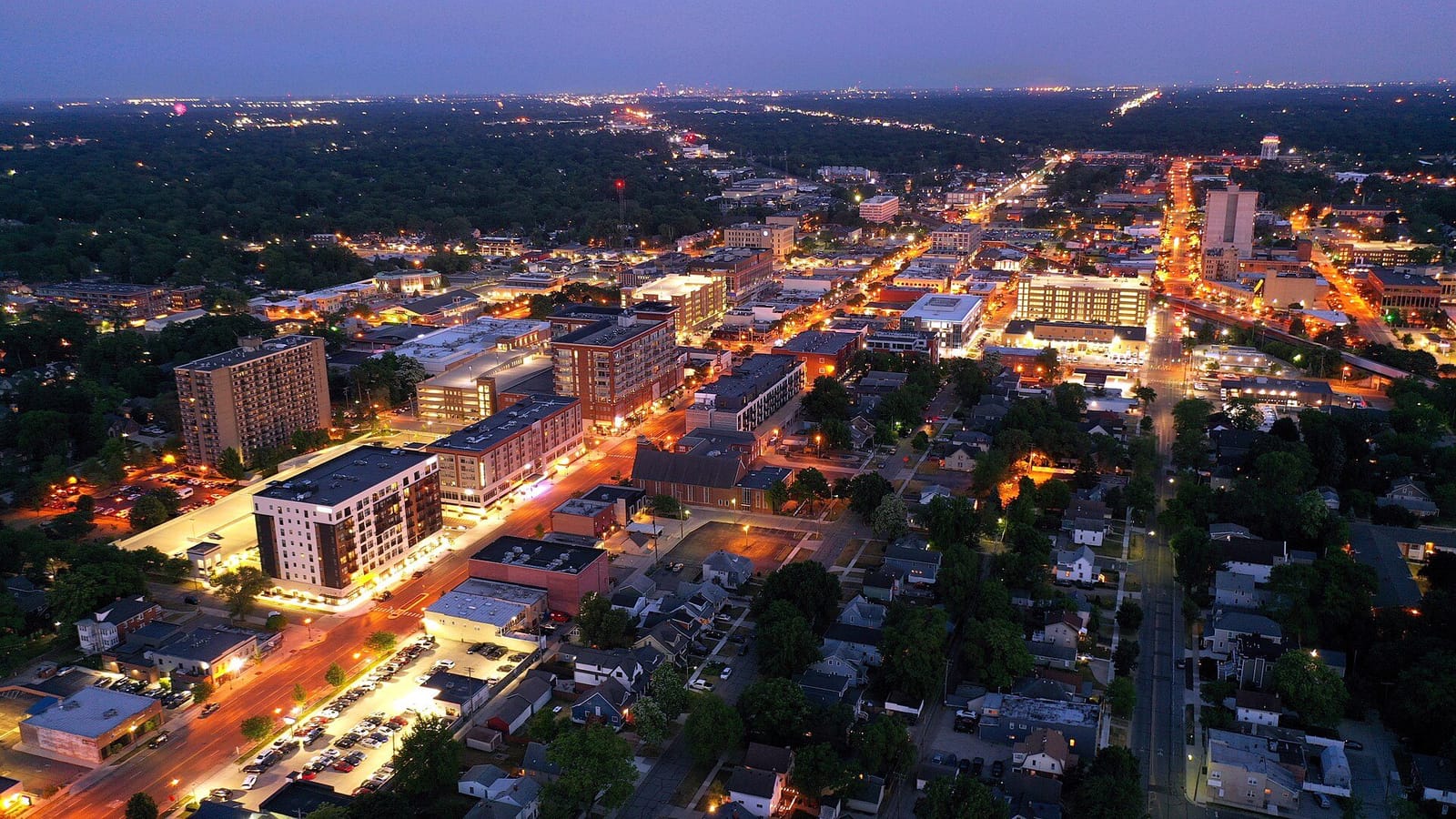
People talk about Royal Oak like it is one place. It is not. The city runs roughly from the Ferndale line up toward Clawson and Troy, straddling the Woodward corridor in Oakland County, and the experience of living here changes block by block. Where you land affects your lot size, your commute, your nightlife, and most of all what your home will be worth when you go to sell. After listing and selling across this city since 2013, here is how I actually read it.
The three Royal Oaks you should know
Think of the city in three broad bands, plus the downtown core that ties them together.
North of 13 Mile
This is generally the quieter, more residential end, anchored near Corewell Health William Beaumont University Hospital on 13 Mile. You will find larger lots, more colonials and bigger brick homes, and a calmer feel than the streets close to downtown. The historic Vinsetta Boulevard area, with its tree-lined median and old bridges, sits in this part of town and draws buyers who want character without being on top of the bars. Families and move-up buyers gravitate here. The trade-off is that you are a drive, not a walk, from Main Street.
South of Catalpa and the downtown core
Closer in, the homes get smaller and the lots tighter, but you buy proximity. The blocks south of Catalpa and around the downtown core are where the classic 1920s to 1950s bungalows and Tudors live, the ones within a real walk of restaurants, the farmers market, and the QLINE end of the Woodward corridor. This is the most competitive slice of the city. A clean, updated bungalow steps from downtown will almost always draw attention, because that walkable lifestyle is the whole reason many buyers choose Royal Oak in the first place.
Near the tracks
The Canadian National rail line, the old Grand Trunk Western route, runs north to south through the city roughly a mile east of Woodward. Homes that back directly onto the tracks, or sit on the busier through-streets, are a different micro-market. They are not bad homes. They are just homes where the buyer pool is thinner and the price has to reflect the noise. I tell sellers here to be realistic, and I tell buyers there is genuine value to be had if a train two streets over does not bother you.
What holds value and what sits
Across all three bands, the same things move homes. Condition wins. Move-in-ready homes with updated kitchens, baths, and mechanicals sell faster and closer to asking than dated homes at the same address. Location within the block matters as much as the neighborhood. A quiet interior street beats a corner on a busy road every time. And walkability is the local currency. The closer you are to downtown on foot, the deeper your buyer pool.
What sits? Homes that need major work but are priced like they are finished. Homes on hard corners or backing the rail line that ignore that reality on price. And anything with deferred mechanicals, because today's buyers are quick to price in a new roof or furnace. None of these are unsellable. They just need honest pricing and good preparation.
The mistake I see most is a seller pricing off the busiest, most-renovated sale on the next street over while their own home backs a through-road and has the original kitchen. Right city, wrong micro-market.
What a buyer should know first
Two things before you tour anything. First, decide which Royal Oak you actually want, because they cost different amounts and trade on different things. If you want a yard and quiet, look north. If you want to walk to dinner, look in close and accept a smaller lot. Second, understand how Michigan property taxes work, because the number you see on the listing can be misleading.
This is general education, not tax advice, so confirm specifics with the city assessor or a tax professional. Under Michigan's Proposal A, a home's taxable value is capped while one owner holds it, but a sale is a transfer of ownership that causes the taxable value to uncap the year after you buy. It resets toward the state equalized value, which is set at roughly half of market value. In plain terms, the current owner's low tax bill is not the bill you will inherit. Always estimate your future taxes, not the seller's.
How Royal Oak compares nearby
Royal Oak does not exist in a vacuum. Just south, Ferndale offers a similar walkable, social vibe, often on smaller lots and sometimes at a different entry point. To the north, Birmingham plays in a higher price tier with its own polished downtown and larger homes. Touring all three is the fastest way to feel what your money buys and to confirm Royal Oak is the right fit before you write an offer.
The bottom line: do not buy Royal Oak as a single market. Buy the right block within it. That is where the value, and the regret, both live.

Realtor® with Golden Key Group, serving buyers, sellers, and investors across Metro Detroit since 2013.
Frequently asked
Is north or south Royal Oak better?
Neither is better, they are different. North of 13 Mile generally means larger lots, bigger homes, and a quieter, more residential feel. Closer in and south of Catalpa means smaller lots but a real walk to downtown. Pick based on whether you value space or walkability.
Do homes near the train tracks in Royal Oak sell?
Yes, they sell, but they are a thinner micro-market. The Canadian National line runs roughly a mile east of Woodward, and homes backing it draw a smaller buyer pool. They sell well when priced to reflect the noise, and they can be real value for buyers who do not mind a nearby train.
Will my Royal Oak property taxes match the seller's?
Usually not. Under Michigan's Proposal A, the taxable value is capped while one owner holds the home, then uncaps the year after a sale and resets toward the state equalized value, about half of market value. Estimate your future taxes, not the seller's, and confirm specifics with the assessor. This is general education, not tax advice.
How does Royal Oak compare to Ferndale and Birmingham?
Ferndale to the south offers a similar walkable, social feel, often on smaller lots. Birmingham to the north sits in a higher price tier with larger homes and a polished downtown. Royal Oak lands between them on lifestyle and price. Tour all three before deciding.
Have a question about your move?
Real answers, no pressure. Tell me where you are in the process and I’ll help you figure out the next step.